A Globe of Witnesses      
AGW Welcome The Witness Magazine


Ashes and Weeping

Lectionary Reflections for Ash Wednesday (A)

By Jane Carol Redmont


Readings for Ash Wednesday, Year A, Feb. 9, 2005

Joel 2:1-2, 12-17 or Isaiah 58:1-12
Psalm 103
2 Corinthians 5:20b-6:10
Matthew 6:1-6, 16-21


Gospel entreaties to private prayer notwithstanding, Ash Wednesday is one of the most public days of the Christian year. At what other time do Christians from the liturgical churches have a visible mark on their skin?

No rose tattoo, this. Ashes.

“You have created us out of the dust of the earth. . .” Thus we pray before the imposition of ashes in the Ash Wednesday liturgy. Meditating on the day's scriptures in the past weeks, I have thought often of that dust, more as earth than as ashes; the prayer reminds me of our createdness and of the planet and soil on which we live. From earth we come, to earth we shall return, through earth we are connected to all that lives.

But as Ash Wednesday grows close – and as I hear the news each day, look around me, and search my own heart – I find myself thinking of ashes as . . . ashes. Ashes in their stark deathly reality, not ashes as ground that can still sprout. I savor each day – the first plum tree bloomed this week on my street – but in my mouth is also the taste of ashes. I want to weep. In the Sudan, ashes of war and ashes of hunger. The last ashes scattering in the wind and no hope of fire to cook more food, because there is no food left and no fuel for fire. Ashes of funeral pyres in Tamil Nadu after the tsunami. Ashes of Auschwitz, whose 60 years of liberation we just commemorated. Ashes of a parishioner's dwelling that burned to the ground in the city.

On this Ash Wednesday, how can we not lament? What other godly way is there? The Ghanaian Methodist theologian Mercy Amba Oduyoye speaks of God being agitated. . . God is agitated, friends. God is appalled. God weeps. And God the Lover longs for us to return Godward, with tears.

On this Ash Wednesday, how can we not lament? What other godly way is there? The Ghanaian Methodist theologian Mercy Amba Oduyoye speaks of God being agitated. This agitation – described in kindred words in many biblical texts – is both compassion and distress. Most of all, Oduyoye writes, God is agitated at suffering and injustice.

God is agitated, friends. God is appalled. God weeps. And God the Lover longs for us to return Godward, with tears.

Janet Morley's Ash Wednesday Collect reads:

        O God,

        you have made us for yourself,

        and against your longing there is no defence.

        Mark us with your love,

        and release in us a passion for your justice

        in our disfigured world;

        that we may turn from our guilt and face you,

        our heart's desire,

        Amen.

               (Janet Morley, All Desires Known , Expanded Edition, Morehouse Publishing, 1994.)


Release in us that passion, O Holy One : this is what we ask for when we lament.

It happens sometimes without our noticing: We have become numb to suffering, habituated to the sly creep of resignation, inured to the ways the powers and principalities exercise their insidious reign. Then, on this day of ashes, the trumpet blows and we leave numbness behind. It is not something we do alone. Part of the power of the day is the witness of its collective, public lament.

Many of us are reluctant to lament in public and to do so with the force of religious language. To do so with specificity, naming the causes of our lament – intimate and personal but more often social, economic, local, regional, planetary, political – is especially difficult. Personal inhibition, perhaps – we are not just numb to others' grief but sometimes to our own. Or perhaps we and our religion are too polite. Or we have bad memories of Christians being offensively public (like the hypocrites of Matthew's Gospel) or of Christians calling for repentance in ways that deny the holiness of the body and of sexual desire.

Or perhaps we have fallen prey to the privatizing of religion. Here in the U.S., there is not as much distance as it appears between “Jesus Christ is my personal Lord and Savior” and the feel-good spirituality of those who abhor this kind of language and have left Christianity behind. Both are personal and only personal. But Christian faith is not only trust in Christ to cherish and make whole our individual lives; it is proclamation of Christ as "savior of the world."

This is not a convert-making feast, leading others into the fold. It is the feast of our own family attending to the state of its own house. Ashes on our foreheads, we lament the state of earth and its inhabitants, its wounds and cries, and the silence and dust of death. In repentance, we lament our own complicity in the inflicting of earth's wounds. . .

To this savior of the world we turn our hearts and our actions, together. This is not a convert-making feast, leading others into the fold. It is the feast of our own family attending to the state of its own house. Ashes on our foreheads, we lament the state of earth and its inhabitants, its wounds and cries, and the silence and dust of death. In repentance, we lament our own complicity in the inflicting of earth's wounds, our standing by when earth and its creatures were wounded, all the times we have distanced ourselves from others who like us are made of earth and with whom we will share on this earth the same dusty end.

Our public witness – the denouncing of the powers, the lament for the world – is tempered by our private practices: fasting, prayer, almsgiving. These remind us that we witness not to show ourselves but for the sake of God's righteousness, in communion with God's love and lament for earth and its creatures.

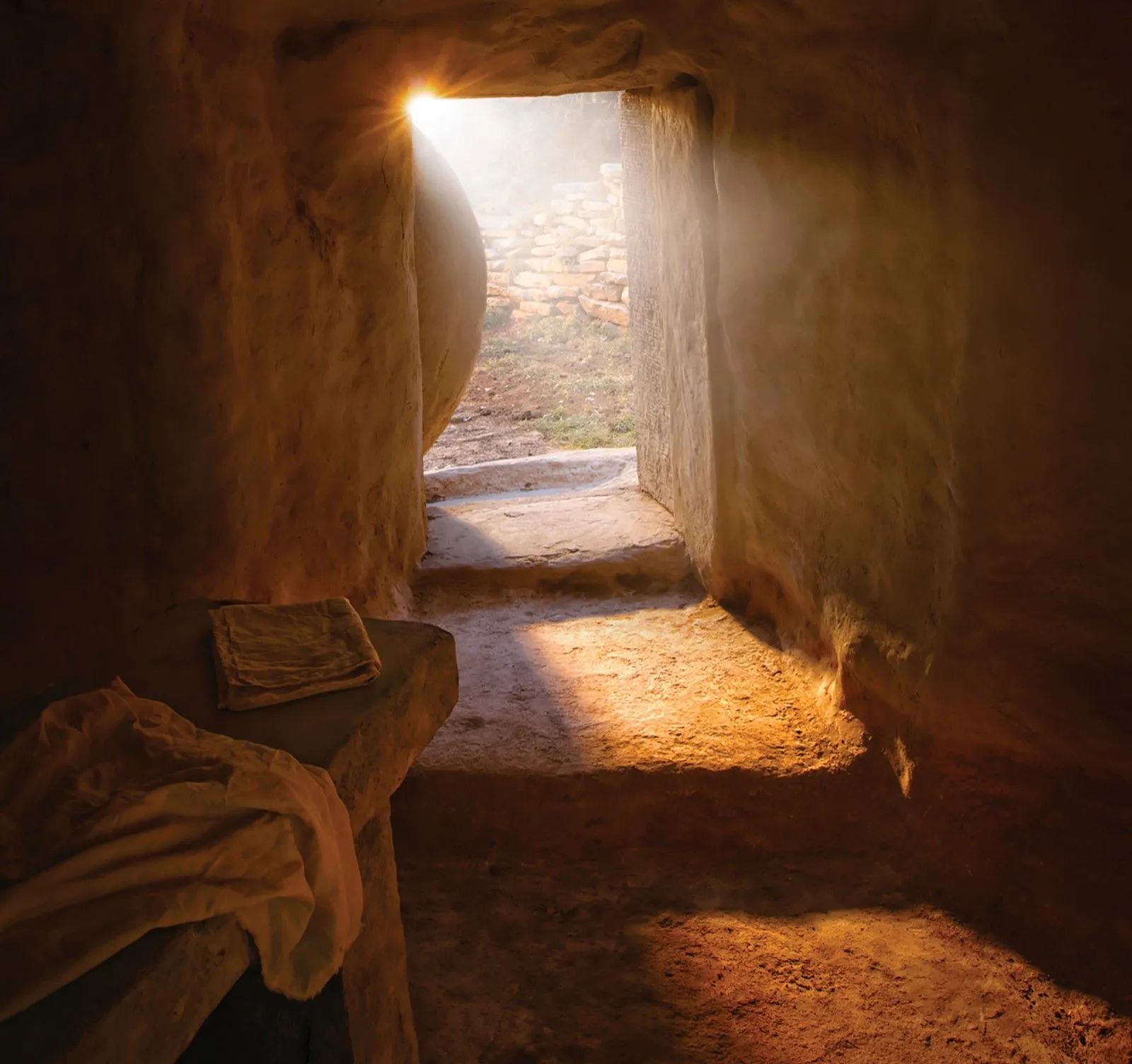
Ash Wednesday begins the church's long retreat in preparation for the celebration of the central Christian mysteries: the gathering at the table, the washing of the feet, the cross, the death, the silence of the tomb, the resurrection.

This Lenten retreat is a journey for the sake of life. It begins with the acknowledgment of that which deadens and kills.

Lament is truth-telling. Lament is witness. Lament denounces, and in this, somehow hopes.

Justice, healing, repentance: they all begin in tears. They will not end there, but there is no detour on the journey to Holy Week. Do you not think that God is weeping, these days?


Jane Carol Redmont prays and preaches at St. Paul's Episcopal Church in Oakland, Calif., and the Episcopal Church of the Good Shepherd in Berkeley, Calif., and has years of experience in campus, parish and urban ministries. She is a founding member of the East Bay Chapter of the Episcopal Peace Fellowship and a longtime worker for economic and racial justice. Jane is the author of two books, Generous Lives: American Catholic Women Today and When in Doubt, Sing: Prayer in Daily Life , and is completing a Ph.D. dissertation on the ecumenical dimensions of feminist ecclesiologies in the Southern and Northern Hemispheres. She may be reached by email at janered@earthlink.net .