![]() |
|||
| AGW Welcome | The Witness Magazine |
|
La Guadalupana: María with the Mestizo FaceLectionary Reflections for La Fiesta de la Virgen de GuadalupeBy Richard A. Bower
Readings for Lent 4, Year C, Mar. 21, 2004 Zechariah 2:10-11 (“Sing and rejoice, O daughter Zion. For look, I will come and dwell in your midst.”) Luke 1:39-45 (“The Song of Mary – Magificat”)
Derriba del trono a los poderosos, y enaltece a los humildes. A los hambrientos los colma de bienes y a los ricos despide vacíos.
The powerful are brought down and the humble are being raised up. The starving are filled with good things and the rich are dismissed empty handed.
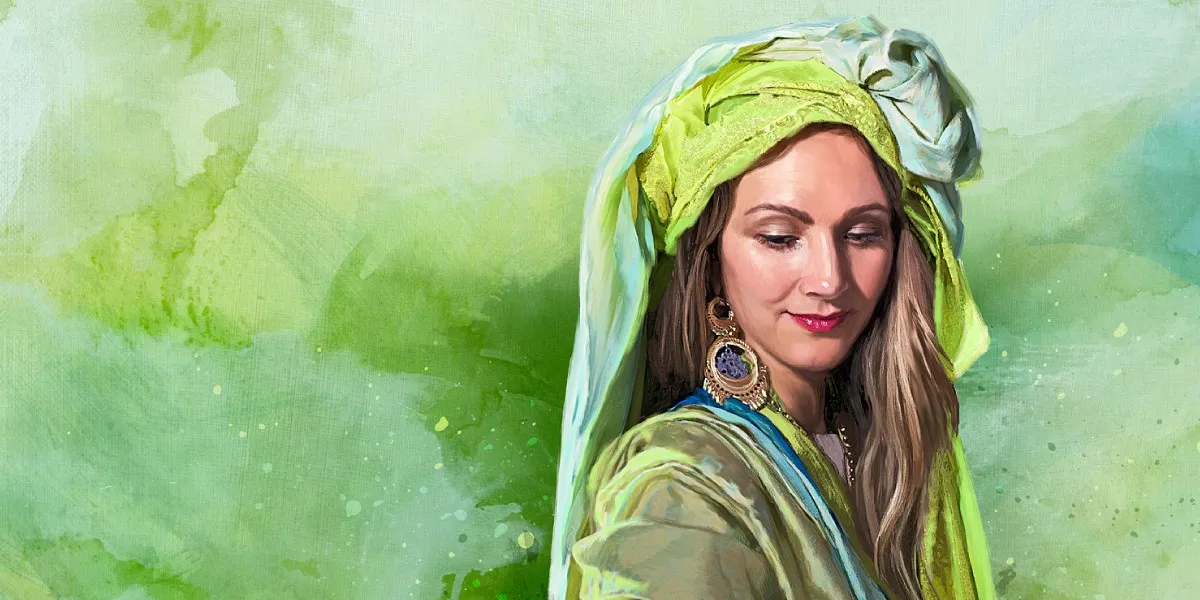
With this Song of Mary, Luke puts us on notice that something big is about to happen (Luke 1:46ff). The Dream of God is about to be realized and there will be surprises. There were also surprises on another date and place. In December of the year 1531, a middle-aged native of Cuauhtitlan (14 miles north of Mexico City, Tenochtitlan), baptized with the name Juan Diego, was on his way to a small church for mass, nine miles on foot from where he lived. Juan Diego was anguished that morning because of the sickness of his uncle, Juan Bernardino. Juan Diego's wife had died a few years earlier. On a small ridge, before he arrived at the church, he encountered an apparition of the Virgin Mary. Mary talked to him in his own language (Tlayacac). According to the story, when the Virgin heard “in her heart” that Uncle Bernardino, symbol of the poor of the land, was about to die with a Spanish-imported sickness, Es nada lo que te asusta y te abate, no se turbe tu rostro y corazón; no temas esa enfermedad ni ninguna otra enfermedad o algo angustioso. . .Porque el no ha de morir de lo que ahora tiene . (“What frightens you and makes you depressed is nothing. Don't let your face and heart be upset. Don't be afraid of this sickness nor of any other sickness or anything that disturbs you. . . Because he (your uncle) will not have to die from his sickness.”) Juan Diego experienced other apparitions of the Virgin of Guadalupe. The Virgin would talk intimately with him, as a dear son. “Am I not your mother? Aren't you here under my cooling shadow? Am I not your health?” The Virgin called Juan Diego by his diminutive names, “Juanito” and “Dieguito,” showing her love and tenderness toward him. Monseñor Oscar Romero . . . said of the Virgin, “Shortly after ‘civilization' had entered our continent, Mary came to the mountain of Tepeyac to offer a special presence of the church, with her own very unique physical presence. She was not a European woman, nor an Indian of our recently discovered continent. She is the expression of the mestizo, the new race which in that moment emerged in history.” Monseñor Oscar Romero of El Salvador, in a homily preached on December 12, 1977, said of the Virgin, “Shortly after ‘civilization' had entered our continent, Mary came to the mountain of Tepeyac to offer a special presence of the church, with her own very unique physical presence. She was not a European woman, nor an Indian of our recently discovered continent. She is the expression of the mestizo , the new race which in that moment emerged in history. And so the sweet little brown woman of Tepeyac will be from then on also the one who gives a unique physical presence to the church of this continent.” In the Gospels, Mary appears as a humble peasant woman, standing out in a special way among the poor ( anawim ) who wait for the liberating God. In the Bible, Mary appears as the expression of poverty and humility of those who seek the God of the forgotten ones. When Mary comes to Latin America (Guadalupe), her intimate, maternal dialogue with Juan Diego was as toward a dear son, toward a humble indigenous campesino , marginalized and poor. And in this way Mary began her dialogue with the Americas, in a tender gesture toward the poor. But the Virgin of Guadalupe, mestiza and friend of the poor, is not content simply to reside with gentleness in the hearts of the people, in a personal, private way. María rather wants to be among the people in the fullest way possible, just as the church is called to immerse itself in the history, culture and struggles of a people. Again, Monseñor Romero: “María, then, is also the image, the protest of a church which is present with the light of the Gospel as God desires, in the civilizations of our people, in social, economic and political transformations.” The Spanish colonialists brought a Virgin who supported conquest, blood and fire. She was the Mother of God who stood over and blessed the Spanish conquistadores. María the Mestiza is a woman for all of the people, especially for those most abandoned and humiliated. She does not show herself to the ruling classes nor to the hierarchy of the church. She converses sweetly with Juan Diego, a poor Indian who had lost his name Cuauhtlatoatzin (the one who talks like an eagle) through his baptism, but not his simple and sturdy confidence in God. And through this simple dialogue, Christianity in the Americas has never been them same as before her appearance. It seem as if Mary is always turning things upside down. As an image of the church, Mary calls us to be about the business of revolution. The “invasion” of Mesoamerica by Hernán Cortés in 1519 dramatically and brutally changed the world of people like Juan Diego (Cuauhtlatoatzin). His people suffered humiliation and threats of violence and from sicknesses imported by the invader. Later, the indigenous of Mesoamerica were conscripted as slaves in the dreaded encomienda. The great Spanish landowners had a saying: La tierra sin indios no vale. Where is the voice of the Virgin de Guadalupe today? . . . María came as a mestiza , incarnated in the new emerging culture of the poor. Where is the church today, becoming poor, brown, black, mestizo in the intimacy and joy of sharing suffering and hope with others? Where is the voice of the Virgin de Guadalupe today? Where do we find the vision of the faithful focused on the least among us, on the voice of the “little ones” who speak directly, simply and with truth about the God who has come among them in liberating love and loving liberation? Where do we find signs of the faithful in solidarity with the poor, marginalized or abandoned? María came as a mestiza , incarnated in the new emerging culture of the poor. Where is the church today, becoming poor, brown, black, mestizo in the intimacy and joy of sharing suffering and hope with others? The voice of Mary of the Gospels still is heard: Se alegra mi espiritu en Dios mi Salvador, porque ha mirado la humillacion de su esclava.
My spirit rejoices in you my Saviour, for you have looked with favor on your lowly servant.
On the same date, 12 December, many years later another appearance occurred. This time it was the dark manifestation of death. The coming together of the rich, the church and the military in El Salvador bore fruit in the massacre of El Mozote, Morazan, El Salvador. On December 12, 1981, entities of the Salvadoran military invaded a small rural village, killing all whom they could find, men, women, children and the elderly, more than a thousand persons killed. For over 10 years, both the Salvadoran and U.S. governments denied that this event had occurred. Where was the voice and presence of María that day? Most likely, with those left lifeless along the side of the road. La Virgen de Guadalupe brought dignity and hope to the native Indian population of the 16th century Mezzo America. And she came as a new hope, the new race of mestizos . She came among the death-ridden peasants of El Salvador speaking a truth that liberates. She comes among the Africans of Eastern Somalia, among the Iraqis of Falluja, among the children of Belfast, the fearful Middle Easterners in our own country, among the little ones who have no voice or demanding presence. She comes in the lives and commitments of faithful followers of Jesus, who choose solidarity over safety, advocacy over silence, and a poncho and bare feet over capitalist dreams. María comes as one of us as we bring a message of the great reversals, words of hope lived out in our flesh and blood: You have come to the help of your people, for you have remembered your promise of mercy, the promise you made to Abraham and Sarah and their children forever.
Auxilia a tu pueblo, tus siervos, acordándose de la misericordia, como lo había prometido a nuestros antepasados, en favor a Abrahán y Sara y sus descendencias para siempre.
|