An online supplement to The Witness Magazine

Categories of Content

Explore the Globe of Witnesses Archives by subject matter:

Regular Columnists

Chris Chivers
Louie Crew

Elizabeth Kaeton
Samia Khoury

Michael Lapsley, S.S.M.
Irene Monroe
Sybille Ngo Nyeck
Peter Selby
Joseph Wakelee-Lynch
Daniel J. Webster
Bill Wylie-Kellerman

Email the Editor

We welcome your feedback! Send your reflections about the content in A Globe of Witnesses to editor@thewitness.org, and your comments may appear on the site. Add your voice to A Globe of Witnesses today!


Human Sexuality
This section includes articles with themes that include sexual ethics, LGBT (lesbian, gay, bisexual & transgendered) rights, queer politics, and related topics.

In the Company of the Faithful

The election of Gene Robinson continues to dominate news in the international church. In an interview with the new bishop, Herb Gunn seeks to get behind the myths, to learn why Robinson stays in the church, and what he thinks of the Anglican Communion today. [posted 2/4/05]

Embracing the Bastard Jesus

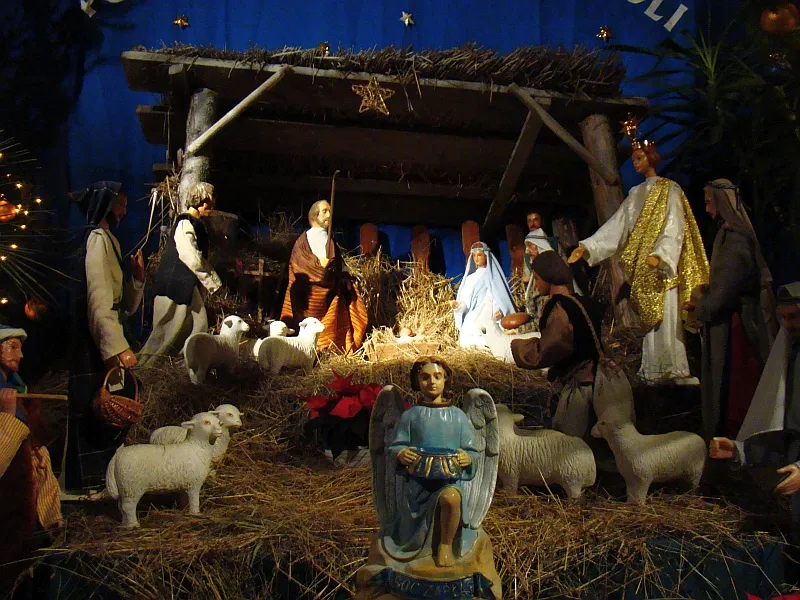
The story of Christ's birth to an unwed mother, and the legal penalties that threatened his mother Mary, offers lessons today, writes Irene Monroe. She looks at those targeted by society: people of color and gays & lesbians, and the search for home. [posted 1/3/04]

Africa and Homosexuality

Contrary to what some religious leaders claim, homosexuality is an integral part of African life, states Nigerian theologian Rowland ‘jide Macauley. However, gay and lesbian Africans are the subject of violent repression, and this leads to silencing and self-hatred. [posted 12/16/04]


April 2000 Issue of The Witness
No Easy Answers
As sex moves from the bedroom to the boardroom and from micro-ethics to macro-ethics, the arena of sexual ethics is also changing. The politics of identity, marriage, and celibacy are discussed in this look at what makes for "good sex."

Queer Take by Irene Monroe
For a look at the role that religion plays in discrimination against lesbian, gay, bisexual, and transgendered people, check out theologian Irene Monroe’s regular monthly column "Queer Take" here.


Institution over Inspiration?

In a thoughtful, critical response to the Windsor Report, Paul Marshall (Bishop of Bethlehem) expresses dismay at the church's resolute focus on saving itself. Religious movements, he notes, begin with radical disturbance of the status quo. [posted 10/19/04]

Integrity Statement on the Windsor Report

Integrity USA, the Episcopal gay and lesbian advocacy organization, issues a press release in response to the much-anticipated "Windsor Report" of the Lambeth Commission on Communion. [posted 10/18/04]

What Accepting Gays & Lesbians Means for the Anglican Communion

The shift in North American Anglicanism, with respect to the full inclusion of lesbians and gays into the church, is a form of contextual theology, argues Bill Countryman. In a submission to the Lambeth Commission, he discusses the tradition of Anglican belief & practice. [posted 10/14/04]

Questioning Sexuality Through the Q's

Thanks to television and other media, the word “queer” has become more common. Many people therefore believe that the “Q” at the end of “LGBTQ” stands for “queer.” Responding to readers' inquiries, Irene Monroe says sometimes it does, and sometimes it doesn't. [posted 9/29/04]

From the December 2003 issue of Episcopal Life:

"Loving the Questions: Disarming the Road to the Answers"

Conservative church commentator Douglas LeBlanc challenges the Claiming the Blessing collaborative on its commitment to the Nicene and Apostles' Creeds.

" An Open Letter to the Church from the Claiming the Blessing Collaborative"

With conservative Anglicans gathering forces to oppose the Episcopal Church's recent statements on human sexuality, the progressive Claiming the Blessing Collaborative addresses how "social issues" have been cast against "the plain truth of scripture." [posted 10/6/03]


Kicking the Dog

For more than two centuries, warfare has been central to the U.S.' national identity. Now, in the midst of yet another war, the country is also tearing itself apart over same-sex marriage. William Blaine-Wallace connects the conflicts. [posted 7/26/04]

Why I Decided to Solemnize Same-Sex Marriages

Massachusetts is the same-sex marriage battleground, and several local priests have taken flack for opposing their diocese's order to not get involved. Renowned justice activist Carter Heyward has led the charge, calling this a justice issue. [posted 6/11/04]

No Marriage Between Black Ministers and Queer Community

Boston has been “ground zero” in the fight over same-sex marriage. Irene Monroe analyzes why African-American ministers there, some of whom are veterans of the civil rights era, have been slow to embrace this modern liberation struggle. [posted 6/2/04]

Finding Kairos in Dallas

The Claiming the Blessing collaborative, a coalition of progressive Episcopalians working for an inclusive church, recently met in "hostile territory": Dallas, Texas. A statement released by the coalition reveals great hopefulness in a time of much despair in the church. [posted 6/2/04]

Christian Outcasts: Dalit Theology

Early British Christian missionaries in India were dismayed that the country's elite were uninterested in their religion. Instead, those deemed “untouchable” joined the church. Winnie Varghese outlines what this means today for a church that still prefers to avoid the powerless. [posted 5/19/04]

Gay Activism in Asian and Asian-American Churches

Media reports have created the impression that non-Western Christians are conservative and uniformly against gay rights. But according to Kwok Pui-lan, there is a quickly growing gay movement in Asian communities, including churches. [posted 5/19/04]

Homophobia's Role in Torture at Abu Ghraib

The shocking images of U.S. soldiers torturing Iraqi prisoners have prompted tough questions about gender and power in the military. Irene Monroe also sees evidence of entrenched homophobia, both in the Islamic culture and the Western world. [posted 5/14/04]

A Bloodshed Theology

Many have criticized Mel Gibson's movie, The Passion of the Christ , for its relentless images of violence. Irene Monroe directly correlates the “redemptive suffering” depicted in the film with actual present-day violence against blacks, women, and LGBT peoples. [posted 4/8/04]

Faith and Dogma in a Cultural “Third World”

Numerous African church leaders have recently denounced homosexuality. Sybille Ngo Nyeck contrasts their focus on “purifying” and “cultural norms” to the church's unwillingness to address sexual abuse, and argues that “tradition” is too often used to accommodate injustice. [ En Français and in English .] [posted 4/2/04]

Unholy Matrimony: The Black Church & the Christian Right

During the past month, African American ministers and conservative white Christians have proclaimed a united opposition to gay marriage. Irene Monroe analyzes this unusual alliance, and calls it the result of a lack of leadership in the Black Church. [posted 3/24/04]

Destroying Marriage?

The new gay marriage movement has led politicians and religious leaders to angrily denounce the practice. Peter Kreitler considers the scriptural passages being cited, and finds more cause to propose a constitutional amendment banning tattoos than one ending same-sex unions. [posted 3/11/04]

Sinful Attitudes: A Response to Robert Ross

In early February, conservative Paul Zahl spoke out in Alabama against the church's full inclusion of gays and lesbians. Fellow Alabaman Robert Ross authored one of several challenges to Zahl. Now Ernesto Obregon responds, and compares Ross' words to those spoken during the South's racist Jim Crow era. [posted 2/27/04]

Response to President Bush's Call for a Constitutional Amendment

The Claiming the Blessing collaborative responds to President Bush's call for a constitutional amendment banning gay marriage: “We stand opposed to efforts to offer gay and lesbian families as sacrificial lambs on the altar of presidential politics.” [posted 2/26/04]

Forgiveness

In the lectionary readings for this coming Sunday (February 22), Jesus commands us to love our enemies, and to judge not, lest we be judged. This famous passage is the subject of Carter Heyward's reflection on sin, fear, justice, and forgiveness.  [posted 2/19/04]

The Other Struggle in the Episcopal Church

Great strides forward have been made in recent months toward the full inclusion of gays and lesbians in the church. But have blacks become the forgotten minority? Irene Monroe researches the plight of the last African-American Episcopal congregation on Chicago’s West Side. [posted 2/11/04]

L'(Homo)érotisme chez Calixthe Beyala

A new book by Cameroonian writer Calixthe Beyala has achieved notoriety for its interplay of sexual identities and roles. Reviewer Sybille Ngo Nyeck argues that it is actually a deconstruction of sexuality, and, ultimately, a reflection of the Christian story. [In French and English.] [posted 1/29/04]

A Different Kind of "Coming Out" Story

Essie Mae Washington-Williams shocked the U.S. in late 2003 by announcing that former Senator Strom Thurmond was her father. Irene Monroe writes that the story of this white segregationist/ black daughter calls us to reconsider our nation's history of sexual exploitation and sexual violence. [posted 1/21/04]

The Violence Behind the Myth of Adam and Eve

Renowned psychologist René Girard theorizes that behind every foundational cultural myth there lies an actual incident of bloody human violence. In that context, Robert Hewitt ponders the gender wars represented by the most famous Judeo-Christian myth. [posted 1/21/04]

Spiking the Punch: Jesus' Sense of Humor

In the lectionary readings for this coming Sunday (January 18), Jesus famously turns water into wine at a wedding ceremony. Louie Crew says this story shows God's sense of humor -- but also on a serious note, that this should help us reexamine modern-day beliefs about the institution of marriage. [posted 1/14/04]

Homophobie et Rhétorique des Nombres: (Homophobia and the Rhetoric of Numbers)

Some African Anglican leaders have harshly criticized the consecration of Gene Robinson. Sybille Ngo Nyeck from Cameroon seeks a look beneath the surface at the reasons for this harsh reaction. [In English and en Français.] [posted 12/18/03]

Can We Talk . . . about Sex?

Even well-meaning individuals and parishes have encountered problems when attempting to talk about sexuality in a religious context, according to Elizabeth Adams. She proposes four aspects for moving forward in the church's dialogues on human sexuality. [posted 12/17/03]

The Globalisation of Anglicanism Is Rather Like the Globalisation of Many Other Things

Writing from Britain, Peter Selby surmises that most people in the U.S. who support Gene Robinson's election as Bishop of New Hampshire also opposed their government's war on Iraq. However, he finds there to be a problematic post-colonial connection between the two concerns. [posted 12/17/03]

All Flesh Shall See the Salvation of God: A Response to Doug LeBlanc

The Claiming the Blessing Collaborative responds to evangelical journalist Doug LeBlanc's open letter published in the December issue of Episcopal Life. [posted 12/11/03]

Alienating Anglican Moderates

Anglican bishops Drexel Gomez and Maurice Sinclair have been two of the loudest critics of the U.S. church for its recent decisions concerning women's ordination and the inclusion of gays and lesbians. John Sorensen reviews their recent book To Mend the Net. [posted 12/4/03]

Fuel for the Homosexuality Debate

Was one of the 12 apostles gay, asks Michael Hare Duke? The modern debates over sexuality demand that we look back at the Early Church too, and should cause us to read more closely the gospel stories and the people who wrote them. [posted 11/25/03]

We Don't Understand What "Tradition and Reason" Mean

Anglicans are taught at an early age that their church's practices are based on a "three-legged stool" of scripture, tradition, and reason. Carter Heyward says that the latter two aspects have always been ambiguous -- and when they are truly understood, the church will move past its current harsh Biblicism. [posted 11/16/03]

"Create a Heterosexual Family" Was Not Jesus' Message

Biblical literalists like to point out the passages that oppose same-sex relationships, but Ray Gaston wonders why they don't also address those that support same-sex love. He notes that Christ himself was "no family man," and sought to create a radical community of love. [posted 11/16/03]

An Incarnational Theology for the 21st Century

Although it appears that the Anglican Communion is tearing apart, progressives should be wary of distancing themselves from international church leaders who are criticizing the U.S. church, Ethan Flad maintains. Now is the time to rediscover the "other." [posted 11/13/03]

Black Clerics Hold Myopic View on Marriage and Family

Many African-American pastors have stated opposition to same-sex unions. Irene Monroe calls this short-sighted, especially considering the U.S.' long and sad history of excluding blacks from civil marriage.

Let's Be Precise about Using the Word "Homophobia"

Phobias are a common aspect of life, notes Bill Fleener. In the church, however, he sees two current problems. One is that folks simply dislike change. The second is "heterosexism," and especially how it affects people in leadership. [posted 11/12/03]

From Amistad to New Hampshire

In 1839, the slave ship La Amistad sailed from Cuba to the U.S. An insurrection on board was overthrown, and a slave named Cinque was put on trial. His haunting testimony frames for Elizabeth Kaeton the incarnational power of Gene Robinson's consecration as bishop of New Hampshire. [posted 11/12/03]

The Wideness in God's Mercy

30 years ago, Louie Crew phoned a leading liberal Episcopal church and asked about its gay/lesbian ministry. He was laughed at. Three decades later, U.S. conservatives and some international Anglicans shun him -- yet he continues to be convinced in the transformational power of God's boundless love. [posted 11/12/03]

Gene Robinson: A Debate Based on Misplaced Theology

The debate over Gene Robinson becoming a bishop is beside the point, contends Fletcher Lowe, for it focuses on his right to ordination rather than his right to baptism. The real focus, he says, should be this first of the two great sacraments. [posted 11/12/03]

The Church in the Closet

Jesus Christ was "out of the closet," argues Brazilian theologian Mario Ribas -- that is, he stood outside dominant systems and challenged them. Ribas says now is time for the church to engage an "outing theology," standing up to the oppression of lesbians and gays. [posted 11/12/03]

Living in a Space of Thankfulness

Christ's ministry was on society's "margins," according to Doug Theuner, the preacher at Gene Robinson's controversial consecration in New Hampshire. Irene Monroe concurs, and hopefully perceives this as an ecclesiastical paradigm shift in the church. [posted 11/12/03]

Être ou Ne Pas Être Lesbienne: (To Be or Not to Be a Lesbian)

West Africans love soccer — but women players find themselves victims of sexual abuse. Sybille Ngo Nyeck interviews a leading female footballer in her native Cameroon, and finds that lesbian athletes must hide their sexual identities for fear of oppression. [In English and en Français.] [posted 10/27/03]

Homosexuality Does Exist in Nigeria

Some African religious leaders argue that homosexuality is not native to their culture, and blame Western culture for this "export." Rowland Jide Macaulay, a Nigerian Pentecostal Christian, says that gays and lesbians do make up a significant part of his nation's population, despite these claims. [posted 10/24/04]

Dealing with Conflict as Anglicans

With deepening divisions in the worldwide Anglican Communion, theologian L. William Countryman offers a historical review of   "classic Anglican tradition." To those who are now threatening to leave the church, he states, "We will not sacrifice that [tradition] to satisfy you." [Originally published in July 2003 for the 74 th General Convention; Re-published online 10/9/03]

An Open Letter regarding the Meeting of the Primates called by the Archbishop of Canterbury

"The power of the Holy Spirit cannot be assumed." Members of the Episcopal Church Publishing Company's board of directors send a message to the Anglican Communion in advance of the controversial mid-October 2003 Primates' meeting. [posted 10/9/03]

Statement of the Episcopal Women's Caucus, Integrity and concerned observers of the American Anglican Council's Convention

" The AAC has made it clear that it is bent on destroying the Episcopal Church unless is can remake it in its own image," report observers to the October 7-9 meeting of conservative Episcopalians in Dallas. [posted 10/9/03]

A Dissent from Pittsburgh

The Episcopal Diocese of Pittsburgh recently voted in a special convention to disassociate from the Episcopal Church's 2003 General Convention's resolutions on human sexuality. Christopher Wilkins speaks on behalf of many progressives in that diocese unhappy with its actions. [posted 10/8/03]

An Open Letter to the Church from the Claiming the Blessing Collaborative

With conservative Anglicans gathering forces to opposie the Episcopal Church's recent statements on human sexuality, the progressive Claiming the Blessing Collaborative addresses how "social issues" have been cast against "the plain truth of scripture." [posted 10/6/03]

Racism Haunts Queer and Christian Communities

Racism is the continuing moral dilemma facing the U.S. According to Irene Monroe, it is a tragedy of biblical proportion, and the LGBT community - especially in Christian churches - will have to face it head on. [posted 10/1/03]

Severing the Gordian Knot

Alexander the Great allegedly severed a "Gordian knot" with one swift stroke of his sword. Elizabeth Kaeton argues that the election of Gene Robinson as Bishop of New Hampshire will help the Episcopal Church to slice through its own knotty recent history. [posted 9/19/03]

Recovering a Context for Debate in the Church

The withdrawal of Jeffrey John from his appointment as the Anglican suffragan bishop of Suffolk was international news. Chris Chivers at Westminster Abbey decries the lack of theological dialogue that led to this decision, and argues that the church must reclaim a "doctrine of the human person." [posted 8/29/03]

Let the Church Say Amen

Episcopalian conservatives denounced Gene Robinson’s election as bishop of New Hampshire as a "cancer on the body of Christ." Irene Monroe opines that this cancer was having allowed homophobia to metastasize. [posted 8/29/03]


Virtual Trickery Backfires
Reporting from the General Convention of the Episcopal Church in Minneapolis, Ethan Flad alleges that right-wing church activists have worked to undermine the Convention's vote in support of New Hampshire bishop-elect Gene Robinson. [posted 8/7/03]

Christian Fundamentalism Is the Real Western Invention
The Anglican Communion is in headlines around the world due to its debates on human sexuality and gay rights. Writing from Brazil, Mario Ribas says that the source of this angry debate is in U.S.-based Christian fundamentalism. [posted 8/7/03]

An Open Letter to the Bishops of Texas
The June 2003 election of Gene Robinson, an openly gay man, as Episcopal Bishop of New Hampshire has prompted strong reactions around the church. Muffie Moroney in Houston, Texas, sends a letter to her bishop, who signed a statement condemning the election. [posted 7/22/03]

Justice Begins in the Bedroom
The U.S. Supreme Court recently overturned Texas’ sodomy law. Irene Monroe considers the Sodom & Gomorrah story, the alleged biblical mandate against homosexual sex. She finds that the misreading of this text has also encouraged sexual violence toward women. [posted 7/21/03]

A Novel but Implausible Story
A Fountain Filled with Blood is the second installment in Julia Spencer-Fleming’s series of mysteries set in upstate New York with a woman Episcopal priest as the protagonist. In search of a good summer novel, Adirondack veteran Ed Putnam reviews this new book, which looks at gay-bashing in ex-urban communities. [posted 7/21/03]

The Apostle Paul on Sexuality
Paul’s first letter to the Romans is often cited as proof that Christianity does not permit homosexuality. Neil Elliott takes another look at that passage, reviewing Paul’s ministry in the time of Nero’s corrupt empire. [posted 7/12/03]

ECPC Board Statement on the Election of Gene Robinson
Gene Robinson was elected Episcopal Bishop of New Hampshire on June 7, 2003. Members of the board of the Episcopal Church Publishing Company (The Witness magazine) offer their response to this controversial election. [posted 7/12/03]

No Coverage of the Violence against LGBT People of Color
Reported statistics for hate crimes are rising quickly, but sometimes they go unreported. Irene Monroe identifies two murders of LGBT people in spring 2003 that largely went unnoticed in the media — including the queer press. [posted 7/8/03]

Chasing the Raven and the Wren
A married couple, seeking a divorce, rediscovers love — and seeks a rite of blessing their "new" relationship. How ironic it is, muses Elizabeth Kaeton, that a pair of heterosexuals would offer some of the best insight toward the hot debate on blessing same-sex relationships. [posted 7/8/03]

I Am the Vine, You Are the Branches
In mid-May, a teenage girl was beaten to death on the streets of Newark, New Jersey. According to Elizabath Kaeton, Sakia Gunn was killed because she had three strikes against her: she was female, she was black and she was gay. [posted 5/29/03]

The GOP's Problem with Christianity
The Republican Party has a platform of "compassionate conservatism," but Irene Monroe finds their reality to be quite different. If the GOP wants to be truly compassionate, she suggests that the party simply look to Christianity a religion that many of its leaders profess to follow. [posted 5/15/03]

Reconciliation Sought & Denied?
In late 2002, Michael Hopkins issued an invitation from advocates for same-sex blessings to conservative church members. Conservatives at first accepted, but have now turned their back on this call for a dialogue on reconciliation. Why did they refuse, asks Hopkins? [posted 4/4/03]

The Vision of Audre Lorde
A new film, "The Edge of Each Other's Battles," provides a glimpse at the legacy of legendary poet and feminist Audre Lorde. Reviewer Rima Vesely says the documentary reveals the resistance of women of color to the middle-class mainstream women's movement. [posted 4/3/03]

The Real War America Needs to Fight
In a time of war, a nation needs every soldier who is willing to serve. Irene Monroe says that the "don’t ask, don’t tell" policy adopted by the U.S. military — and the discrimination that it encourages — is militarily dangerous. [posted 4/2/03]

A New Hero for Black History Month
A university undergraduate was brutally beaten in the skull with a baseball bat in November 2002 by a fellow student. Why? Irene Monroe attributes it to virulent homophobia in the African-American male community. [posted 3/13/03]

President as Pastor Is No Way to Run a Nation
George W. Bush's presidency has always been focused on creating a theocracy instead of a democracy, according to Irene Monroe. She says that as a servant of God, Bush effectively removes himself from being president. [posted 02/25/03]

The Strains of Christmas
Christmas 2002 is an emotional minefield, according to Michael Hare Duke. With Bethlehem’s Church of the Nativity closed by the Israeli military and with children’s "Nativity" scenes censored by Scottish authorities, a chasm has emerged between the dream and the reality of the season. [posted 12/18/02]

AIDS’ Troubling Gender Factor
Both in the U.S. and worldwide, the fastest growth of the AIDS epidemic is among heterosexual women. Women of African descent are particularly vulnerable, and Irene Monroe blames stigma, discrimination… and silence. [posted 12/18/02]

Les Ami(e)s de la Paix Défient les Frontières
In West Africa, Exxon is building an oil pipeline through pygmy villages, the church is stealing money intended for AIDS, and gays & lesbians continue to be oppressed. Sybille Ngo Nyeck uses the biblical story of Jonah as a lens to view these social conflicts. [In French and English.] [posted 11/26/02]

Le Tabernacle du Silence
Sybille Ngo Nyeck continues her political and social analysis of the biblical story of Jonah being thrown off a boat is a parable for the way that the poor and marginalized. [In French. posted 11/25/02]

This Is Your Wake-up Call
Conservatives in the church are well-funded, focused, and most importantly, well-organized, while progressives continue to battle over turf wars. Elizabeth Kaeton says that the time for justice-seekers to come together is now. [posted 11/15/02]

The Dangerous Life of the "Other"
"Islamophobia" is a growing "disease" in the U.S., according to Irene Monroe. A society that has considered itself white and straight — and therefore has named blacks and LBGT people as the "other" — now encourages suspicion of Muslims too. [posted 11/14/02]

For Black Gays, Writing is Power
There is a distinctive literary canon offered by LGBT people of African descent, posits Irene Monroe. This "counter voice," evidenced in the Harlem Renaissance, is also an expressly spiritual one, and is a way of reclaiming power in an exclusionary culture. [posted 10/08/02]

One Year Later, What Have We Learned?
The tragic attacks in September 2001 changed the framework of daily life in the U.S. Although people initially came together in a united spirit, Irene Monroe believes that we have gotten stuck in victim mode, fragmenting our communities once again. [posted 9/24/02]

Cardinal Sends Kids Message of Hate
Children are impressionable, especially when taking advice from key leaders in their communities. Irene Monroe says that clerics have a special responsibility to recognize the power of their words, and she condemns an anti-gay statement made by Roman Catholic Cardinal Law on World Youth Day. [posted 8/12/02]

Child Sexual Abuse Is Not a Gay Issue
The Roman Catholic Church and others could learn and benefit from the lessons learned in LGBT communities, according to Troy Perry. The founder of the Metropolitan Community Churches expresses anger, stating that truth has been a casualty of the recent sexual abuse scandal. [posted 7/19/02]

The Transgendered Church
"Jesus hates me, this I know; for the Bible tells me so" — such has been the historic exclusion of transgendered persons from the Church. Jennifer Phillips reviews a new book, Crossing Over: Liberating the Transgendered Christian, which provides a refreshing challenge to this oppressive tradition. [posted 7/12/02]

We, Too, Are Patriots
The Fourth of July is a time for Americans to celebrate their nation’s independence with patriotic zeal. Irene Monroe worries that the heroism of some members of the population will be overlooked, or even viewed as un-American. [posted 7/15/02]

I Won’t March, Don’t Ask Me
For years Elizabeth Kaeton has marched in the NYC Heritage of Pride Parade, but she won’t be doing so in 2002. Never one to keep a low profile on issues of sexuality, she describes why she needs a break from this year’s big event. [posted 6/16/02]

Mon Frère Gai Avait Eté Condamné a Trois Ans D’emprisonnement
Some Africans claim that homosexuality on their continent is a vestige of Western colonialism, but Florence Monevondo disagrees. Fellow Cameroonian Sybille Ngo Nyeck engages Monevondo in dialogue about sexuality, religion, and "tradition" in West Africa. [In French and English.] [posted 6/13/02]

Silence, Conspiracy and Lies: A Case of Arrested Development
As a former Roman Catholic, Elizabeth Kaeton finds that old wounds she thought had healed have been opened anew by the current sexual abuse crisis. She condemns the church for its conspiracy of silence, and analyzes the psychosexual nature of what has led to this belated moment of truth-telling. [posted 5/6/02]

It’s a Sin, but It’s Also a Crime
Pedophilia has persisted in the Catholic Church through a culture of silence. Irene Monroe calls on the church to recognize pedophilia as a criminal act that must be combated with a zero-tolerance policy, and to stop mistakenly equating the practice with homosexuality. [posted 5/6/02]

Joseph, une Courageuse Lesbienne Camerounaise
Virginity first brings to mind what is natural, savage, true and authentic in creation, articulates Sybille Ngo Nyeck. She looks at the parable of the ten bridesmaids to understand the strength of women in a violent and hostile world. [In French and English.] [posted 5/3/02]

The Catholic Church Needs Its Gay Priests
The Roman Catholic Church is grappling with a crisis of clergy sexual abuse of children, predominately prepubescent boys. In response to this crisis of reported pedophilia, the Vatican has decided to not ordain gay priests, "solving its problem" of homosexuality. Irene Monroe calls this a mistake. [posted 3/20/02]

Let Us Cross Over into 2002
Many black churches celebrate Watch Night services on New Year’s Eve, maintaining a 150 year-old tradition that looks ahead toward the coming year. Irene Monroe celebrates this tradition, which is also reflected in Kwanzaa, in the midst of current conflicts in the African American community. [posted 01/16/02]

Call Her Jordan!
Crossing the Jordan River serves as a metaphor for our relationship with God, writes Sybille Ngo Nyeck. Citing "cruel doctrines," she names the Church’s silence on social issues as the type of discomfort and hypocrisy as that which leads to protest movements.
[posted 10/30/01]

Risking Spiritual Rigor Mortis
"Just how long will we have to keep coming to hear these assaults on our experience of Jesus?" Louie Crew, founder of Integrity, reports on the General Convention 2000 debates on human sexuality.

‘Through Prayer and Action’: The Seeds of a New Anglicanism?
In a post-colonial Anglican Communion, threats of schism abound. Ian Douglas finds hope for true communion, however, in recent efforts by Anglicans from the political left & right to come together and seek common ground.

A Statement of Integrity Regarding Safe and/or Welcoming Congregations
In response to the body of Christ’s continued debates on LGBT issues, the board of Integrity defines the mis-used terms "safe" and "welcoming."

Not Exactly the Brady Bunch: A Book Review
Elizabeth Kaeton discusses An American Family, the story of the extraordinary Galluccio family responsible for changing New Jersey’s adoption laws.

The Opposite of Love
Shelters for battered women serve as stark reminders to our society’s failure to end domestic violence. Elizabeth Kaeton shares the story of meeting a survivor of a quarter-century of abuse who managed to break the cycle of violence.

Word as Idol
Examining the concepts of idolatry and fundamentalism, Sam Portaro is reminded that "a life of faith is a risky business."

Whither Anglo-Catholicism?
The question of "Authority" in religion made Lynea Search realize that she delights in the fact that Anglicans are often perceived as "wishy-washy" about doctrine and issues such as human sexuality.

General Convention MM — the Middle Has Moved
Katie Sherrod says that conservatives in the Episcopal Church are fuming because the "middle" has moved, and it has moved to the left.